Brustkrebs ist neben Lungenkrebs die am häufigsten diagnostizierte Krebsart bei Frauen. Schätzungen zufolge erkrankt jede achte Frau im Laufe ihres Lebens an invasivem Brustkrebs.1
Breastcancer.org. US-Brustkrebsstatistik .
Zwar gibt es bestimmte Risikofaktoren, die nicht verändert werden können, wie zum Beispiel die Genetik, doch 2014 veröffentlichte Studien haben gezeigt, dass bestimmte Lebensgewohnheiten in Kombination mit anderen Gesundheitsstrategien Ihr Risiko senken können.
Inhaltsverzeichnis
Änderungen des Lebensstils
Werden Sie körperlich
Körperliche Aktivität kann Ihr Brustkrebsrisiko senken. Im Jahr 2014 von der Women’s Health Initiative veröffentlichte Studien ergaben, dass Frauen, die ein bis zwei Stunden pro Woche zügig gingen, das Brustkrebsrisiko um 18 % senkten. Bewegung bedeutet auch nicht immer traditionelle Gymnastikübungen. Sie können tanzen, Ihre Kinder jagen, Sport treiben – was auch immer Ihr Herz höher schlagen lässt.3
Überspringen Sie den Alkohol
Frauen, die täglich zwei bis fünf Getränke zu sich nehmen, haben ein etwa eineinhalbfach höheres Brustkrebsrisiko als Frauen, die keinen Alkohol konsumieren. Die American Cancer Society empfiehlt Frauen, nicht mehr als ein alkoholisches Getränk pro Tag zu trinken. Ein Getränk besteht aus 12 Unzen Bier, 5 Unzen Wein oder 1,5 Unzen 80-prozentiger destillierter Spirituose (Schnaps).4
Hören Sie mit dem Rauchen auf
Zahlreiche Studien haben einen Zusammenhang zwischen Rauchen und dem Risiko, an Brustkrebs zu erkranken, sowie dem Risiko eines erneuten Auftretens gezeigt.5Es wird angenommen, dass auch das Einatmen von Passivrauch zu einem erhöhten Risiko beiträgt. Smokefree.gov verfügt über zahlreiche Ressourcen, die Ihnen beim Aufhören helfen.
Ernähren Sie sich fettarm
Eine fettarme Ernährung verringert nicht nur das Risiko für Fettleibigkeit, sondern kann auch Ihr Brustkrebsrisiko senken. Es ist bekannt, dass Östrogen eine wichtige Rolle bei der Entstehung von Brustkrebs spielt und dass Fettgewebe geringe Mengen des Hormons enthält. Bisher gibt es keine definitive Forschung über die Auswirkungen der Fettaufnahme im Allgemeinen und das Brustkrebsrisiko, aber zahlreiche Studien kommen zu dem Schluss, dass Fettleibigkeit eine große Rolle bei der Entstehung von Brustkrebs spielt.6
Frühzeitig schwanger werden
Es ist nicht immer möglich, zu planen, wann und ob Sie schwanger werden, aber Untersuchungen haben gezeigt, dass das Brustkrebsrisiko steigt, wenn Sie keine leiblichen Kinder haben oder Ihr erstes Kind Mitte 30 oder später bekommen.7
Stillen
Forscher glauben, dass die Monate ohne Periode während der Schwangerschaft und Stillzeit das Brustkrebsrisiko einer Frau verringern können.7Dies geht mit Daten einher, die darauf hindeuten, dass eine spät einsetzende Menstruation und eine frühe Menopause aufgrund des kleineren Fensters der Östrogenexposition im Laufe des Lebens ebenfalls das Risiko verringern.
Gesundheitsstrategien
Know Your Family History
Having a family or personal history of breast cancer increases your risk. If an immediate relative, such as your mother or sister, has had breast cancer, it is important to let your healthcare provider know, as breast cancer can be genetic.8
Genetic testing for the BRCA1 and BRCA2 genes, as well as counseling, are available for those concerned about their risk. Keep in mind, however, that just because your mother or sister had breast cancer does not mean you will definitely develop the disease.
Don’t Have Hormone Replacement Therapy
Studies have shown a connection between longtime hormone replacement therapy (HRT) and breast cancer. This link suggests HRT with a combination of estrogen and progesterone raises the risk. Five years after discontinuing HRT, the risk drops. If you need to take hormone replacement therapy, talk to your healthcare provider about weighing the risks and benefits.9
Examine Your Breasts Monthly
Checking your breasts every month may not reduce your risk of developing breast cancer, but it may help detect breast cancer early. The earlier breast cancer is found, the more treatable it is.
Get a Mammogram
Like the breast self-exam, a mammogram won’t prevent the development of breast cancer, but it can detect cancer. Sometimes it can be difficult to feel a lump in the breast, and a mammogram is likely to detect any lumps that cannot be felt. For most women, an annual or biannual mammogram starting at age 40 to 50 is recommended.10
A Word From Verywell
There is no way to guarantee you won’t get breast cancer, but implementing simple strategies may help you avoid it. Talk to your healthcare provider about what you can do to modify any unhealthy lifestyle habits you may have. They can also advise you on how often to get routine screening tests and whether you are a candidate for genetic testing.
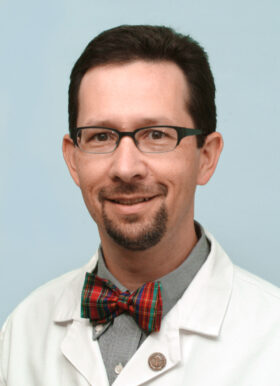
Willkommen auf meiner Seite!Ich bin Dr. J. K. Hartmann, Facharzt für Schmerztherapie und ganzheitliche Gesundheit. Mit langjähriger Erfahrung in der Begleitung von Menschen mit chronischen Schmerzen, Verletzungen und gesundheitlichen Herausforderungen ist es mein Ziel, fundiertes medizinisches Wissen mit natürlichen Methoden zu verbinden.
Inspiriert von den Prinzipien von HealthOkay teile ich regelmäßig hilfreiche Informationen, alltagsnahe Tipps und evidenzbasierte Ansätze zur Verbesserung Ihrer Lebensqualität.
Gesundheit beginnt mit Wissen – danke, dass Sie hier sind!