Das Crouzon-Syndrom ist eine von mehreren genetischen Erkrankungen, die die Schädelentwicklung beeinflussen (Kraniosynostose). Die Erkrankung wurde nach einem Neurologen namens Louis Edouard Octave Crouzon benannt, der sich intensiv mit genetischen und neurologischen Erkrankungen befasste. 1
Beim Crouzon-Syndrom schließen sich die Grenzen, die die Schädelknochen verbinden (Nähte), früher als normalerweise. Der vorzeitige Verschluss führt zu einem ungewöhnlich geformten Schädel und abnormalen Gesichtszügen. 2
Das Crouzon-Syndrom betrifft hauptsächlich den Bewegungsapparat des Körpers, zu dem Knochen, Muskeln, Gelenke und Knorpel gehören. Säuglinge mit dieser Erkrankung können unterentwickelte oder anderweitig untypische körperliche Merkmale aufweisen.
Wenn die körperlichen Auswirkungen der Erkrankung zu kognitiven Defiziten führen, können diese im Allgemeinen durch eine Operation (z. B. zur Entlastung des Gehirns) reversibel sein. Kinder mit Crouzon-Syndrom haben normalerweise eine normale kognitive Entwicklung. 3
Allerdings können mit dieser Erkrankung geborene Kinder auch andere genetische oder entwicklungsbedingte Erkrankungen haben , die sich auf die Wahrnehmung und den Intellekt auswirken.
Inhaltsverzeichnis
Symptome
Die Merkmale des Crouzon-Syndroms sind hauptsächlich körperlicher Natur und beeinträchtigen das Aussehen eines Säuglings oder Kindes. Zu den häufigsten Merkmalen der Erkrankung gehören:
- Ungewöhnlich geformtes Gesicht
- Hohe Stirn
- Kleine Nase
- Tief angesetzte Ohren
- Unterentwickelter Kiefer, Nase, Ohren und Zähne
- Augen, die in verschiedene Richtungen zeigen ( Strabismus )
Diese unterentwickelten Strukturen können bei Kindern mit Crouzon-Syndrom Symptome verursachen und zu anderen gesundheitlichen Problemen führen. 4 Beispielsweise kann es zu Hörverlust, Atembeschwerden, Sehstörungen und Zahnproblemen kommen. Solange sie erkannt werden, können die meisten dieser Probleme behandelt werden.
Ein weniger häufiges Symptom des Crouzon-Syndroms ist eine Gaumenspalte oder Lippenspalte , eine Öffnung im Gaumen oder an den Lippen. 5 Eine Lippenspalte kann zu Schlafapnoe, Sehstörungen, Atembeschwerden und Druck auf das Gehirn führen.
Kinder mit Crouzon-Syndrom haben in der Regel eine durchschnittliche Lebenserwartung, solange etwaige Komplikationen der Erkrankung behandelt werden. 4
Ursachen
Genetische Erkrankungen können nicht verhindert werden, aber das Risiko, ein bestimmtes Gen an ein Kind weiterzugeben, hängt davon ab, wie es vererbt wird.
Crouzon syndrome is a genetic disease caused by a mutation in a gene called FGFR2.2 This gene controls the production of proteins that dictate the growth and development of bones.
Crouzon syndrome is passed through an autosomal dominant pattern. If a person has the gene, there’s a 50% chance they will pass it on to a child.
However, children can also have genetic disorders even if a gene doesn’t run in their family (a de novo mutation). In about half of the cases, the child is the first in their family to be born with Crouzon syndrome.6
While it’s considered a rare disease overall, Crouzon syndrome is the most common genetic disorder affecting the bones of the skull.
The condition occurs in about 1 in every 25,000 live births worldwide but is only diagnosed in about 16 per every million live births in the United States.7
Diagnosis
The physical characteristics of Crouzon syndrome may be apparent at birth or within the first year of life. Symptoms may not develop until the age of two or three.3
If a doctor suspects Crouzon syndrome, they will start by doing a complete physical examination and review the child’s medical history.
X-rays, magnetic resonance imaging (MRI), and computed tomography (CT) scans can give doctors a closer look at an infant’s bone growth and help them assess the progression of the disease.8
Genetic testing may also be used to confirm a diagnosis of Crouzon syndrome.
Treatment
Children with Crouzon syndrome may need surgery to reduce symptoms, prevent complications, and improve their quality of life. When severe, fused skull bones can cause brain damage. These cases require brain surgery to relieve pressure and prevent further injury.9
Surgery is also common for an infant with potentially life-threatening symptoms of Crouzon syndrome, such as brain pressure or breathing issues.
Clinical and rare disease researchers are investigating potential genetic treatments for Crouzon syndrome, but these studies have yet to reach human trials.3
Coping
The strategies for coping with Crouzon syndrome are similar to those for living with other genetic disorders. Families first need to identify and address the health issues related to the condition that will have the greatest impact on a child’s quality of life.
Rehabilitative therapies like speech, occupational, and physical therapy can be utilized to maximize a child’s safety, development, and functioning.
Speech therapy can help a child learn to swallow safely, as well as improve speech and breathing.
Occupational therapy addresses a child’s issues with feeding, dressing, regulating emotions, handwriting, or other self-care tasks.
If a child has gross motor deficits such as difficulty walking, standing, crawling, or changing positions, physical therapy can be beneficial. These therapies can help a child with Crouzon syndrome reach developmental milestones.
However, it’s not just physical health and functioning that needs to be addressed. Children with Crouzon syndrome also need support for their mental health and wellbeing. A child who is struggling with their diagnosis is at risk for impaired social and emotional functioning.10
Support groups, case managers, social workers, and respite care services can help families care for a child with Crouzon syndrome. These resources often include advocacy efforts and access to resources that can help you manage your child’s care.
A Word From Verywell
While Crouzon syndrome doesn’t directly affect a child’s emotional or cognitive development, general health, or longevity, these areas may be indirectly impacted by symptoms and complications of the condition. A child’s experience with the diagnosis and their ability to cope will also influence their quality of life.
Speech, occupational, and physical therapy are essential resources for children with Crouzon syndrome, as these therapies help them reach developmental milestones.
Some children with Crouzon syndrome also have other genetic conditions and may need specialized services or behavioral therapy. Families with concerns about a child’s behaviors or ability to cope may want to discuss specialized services with their doctor.
Regardless of their specific needs, every child with Crouzon syndrome will benefit from a treatment plan that addresses both their physical and emotional wellbeing.
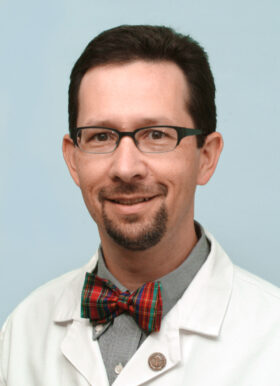
Willkommen auf meiner Seite!Ich bin Dr. J. K. Hartmann, Facharzt für Schmerztherapie und ganzheitliche Gesundheit. Mit langjähriger Erfahrung in der Begleitung von Menschen mit chronischen Schmerzen, Verletzungen und gesundheitlichen Herausforderungen ist es mein Ziel, fundiertes medizinisches Wissen mit natürlichen Methoden zu verbinden.
Inspiriert von den Prinzipien von HealthOkay teile ich regelmäßig hilfreiche Informationen, alltagsnahe Tipps und evidenzbasierte Ansätze zur Verbesserung Ihrer Lebensqualität.
Gesundheit beginnt mit Wissen – danke, dass Sie hier sind!